To Leave Future Generations A World in Which They Can Live in Good Health
Aluminum, preferred more with each passing day in many industries from food to aviation, construction to renewable energy systems thanks to its structural properties such as lightness, durability, conductivity, reflectivity and ease of machining, supports the usage of sustainable resources by being 100% recyclable.
As Pancast Aluminum, we hold our environmental responsibilities the highest. By adopting the understanding of low carbon in our production processes, we reduce our energy consumption and use recyclable aluminum scrap. Thus, we ensure a production that is both environmentally friendly and sustainable.
We apply strict quality control processes at each phase of production. By using recyclable materials, we reduce our carbon footprint and adopt a production understanding that is sensitive to the environment.
Element of the Future

8% of the world
Today, in a world where resources are rapidly depleting, aluminum is the third most common element in the world after oxygen and silicon.
Since approximately 8% of the earth’s crust is comprised of aluminum, together with other minerals, its supply is accepted as unlimited.
Recyclable

Continued to be used by 75% of
For the recycling of aluminum, a metal that is potentially 100% recyclable, only 5% of the energy required for producing the primary metal is needed. Since it does not lose any of its properties or qualities during recycling, it can be used over and over.
Approximately 75% of the aluminum product until today is still in use. Aluminum products used until today will have an infinite cycle thanks to recycling.
Unlimited Use Cases

''From automative to aviation, construction to packaging...''
Aluminum provides flexible and creative solutions for many industries thanks to both its properties and many alloys it bears within.
Aluminum is used also in renewable energy technologies while expanding its use case with each passing day.
Design Flexibility
''In every shape imagined...''
With aluminum, many machining processes such as puncturing, grinding, milling, welding and molding can be carried out more effectively compared to other materials. Thanks to that property, aluminum can be used both as a simple structural element and as complex and decorative elements.
Light
''Efficient energy consumption''
Specific weight of aluminum, which has a density that is only 1/3 of steel, is 2.7 g/cm3. Thus, in many industries, the use of aluminum reduces the production and shipping costs while also being light and ensuring efficient energy consumption and ease of transportation.
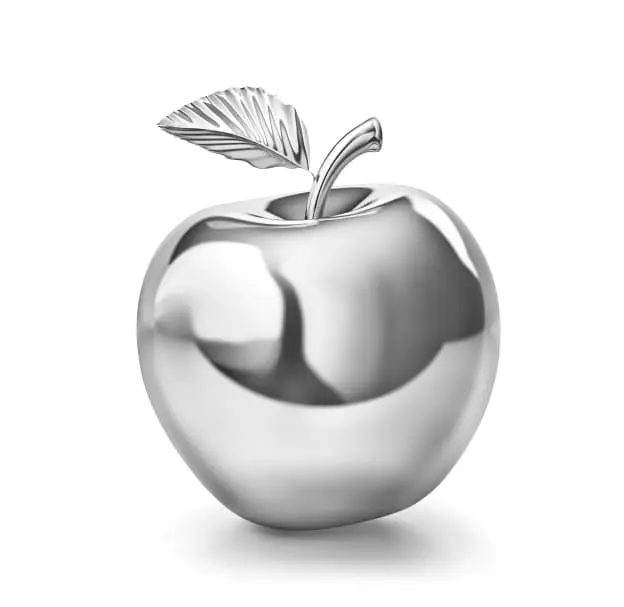
Durable and Sturdy
''Easy to maintain and long-lasting''
When compared to its weight, aluminum is a very durable and reliable material and is also resistant against corrosion. Thus, it can be recycled and used repeatedly. Even in long-term storage, humidity and UV lights do not penetrate aluminum. It is soundproof, windproof and waterproof. Its properties remain stable between the temperatures of -150 and +150 °C. It is stainless. Aluminum or aluminum shavings do not create sparks. It is not magnetic. Thus, it can be used in electrical protection.
Non-Toxic
''Hygienic and harmless to health''
Since it does not bear toxic properties and is odorless, aluminum is used in many kitchen products and food packaging and does not contaminate the food at any stage.
Conductive
''More efficient & economical''
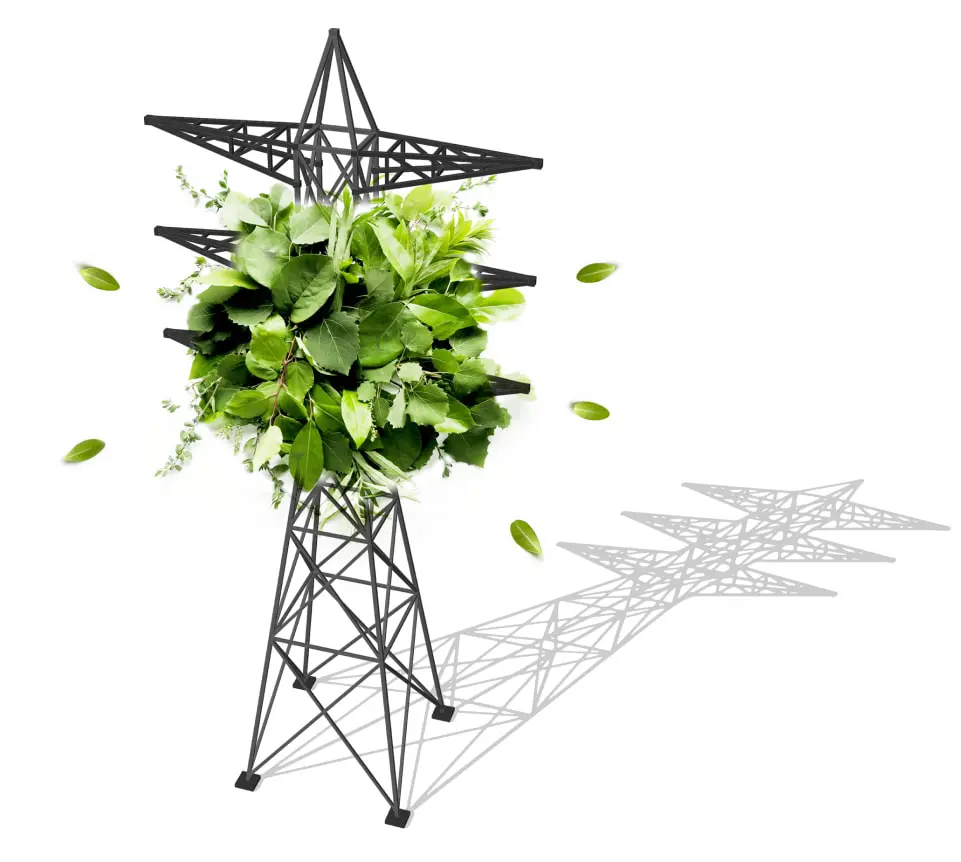
Aluminum, a perfect heat and electrical conductor, is a more efficient material in comparison to copper for energy transmission lines with both its lightness and conductivity. In addition, it can be used as cooler in many applications such as LED lights, electrical products and computer motherboards.
Reflective
''High quality, maximum impact''
Aluminum reflects approximately 92% of visible light and 98% of ultraviolet lights. Meaning that, aluminum acts as a sort of reflector and is the ideal material that can be used in many fields from recovery blankets to lighting armature thanks to these properties.